
WE BELIEVE SPACE INSPIRES POSSIBILITIES
When powerful STEM tools are paired with the backdrop of space, students unlock their creativity and gain unique skills needed for their future careers through meaningful and authentic learning.
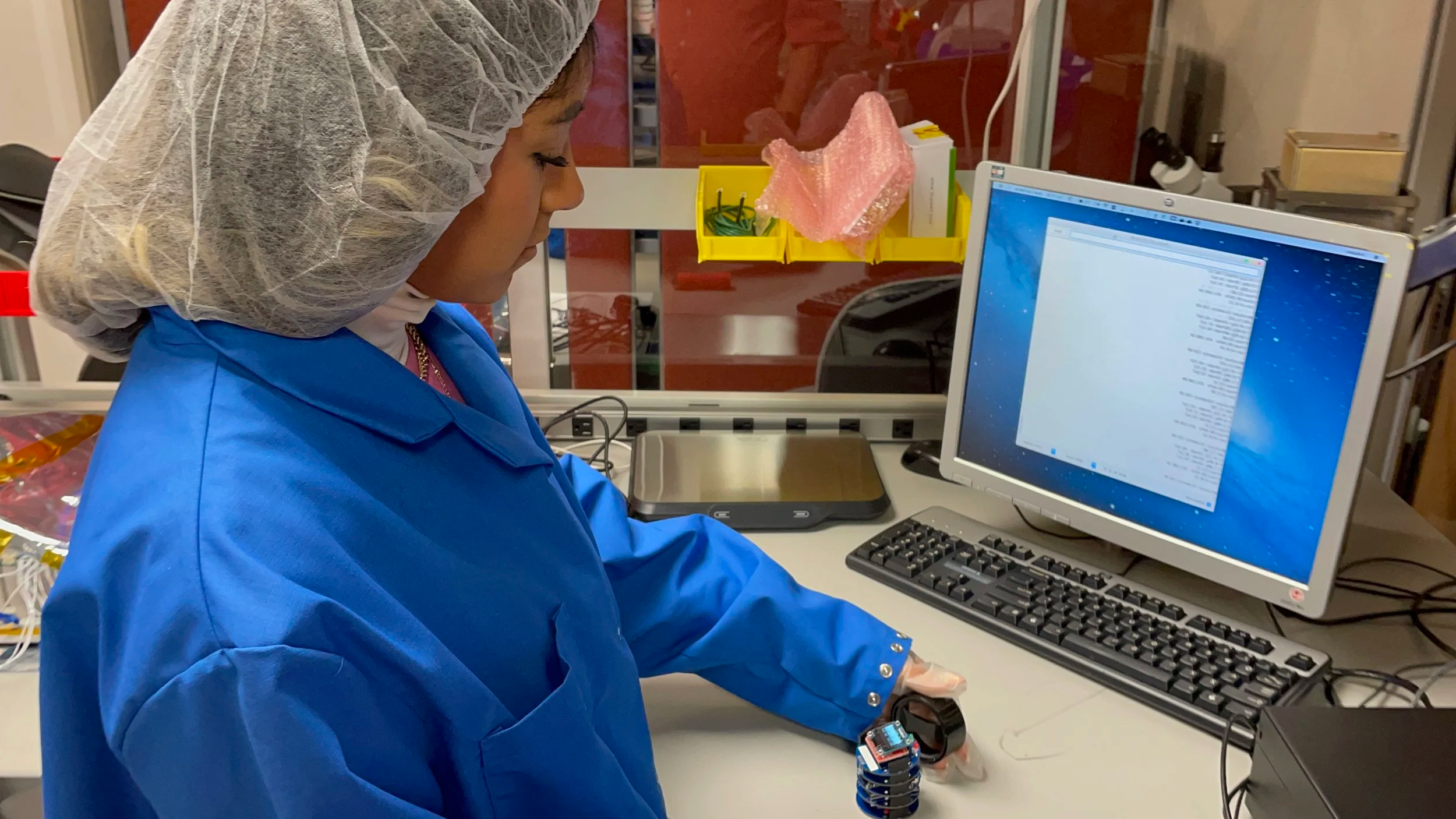
The Aldrin Family Foundation’s Student Satellites in Space (S-Cubed) program ignites students’ passions in STEM and grows the workforce of the future. Students are provided with opportunities to learn the science and engineering of a satellite spacecraft, how to work safely in a laboratory, explore the ethics of engineering, and prepare for a fruitful career or degree in STEM.
The two-year program is hosted in partnership with Twiggs Space Lab.
The Aldrin Family Foundation of Texas is thrilled to announce that the Texas Space Commission has awarded us a $4.7 million grant to bring S-Cubed to students throughout the state of Texas.
For more information, please contact texas@aldrinfoundation.org
Our S-Cubed Program
S-Cubed is a two-year workforce development career-and-technology education (CTE) program for high school students is standards-aligned and includes all materials, curriculum, and professional development for streamlined implementation in your school district.
S-Cubed Year 1
DEVELOP LABORATORY SKILLS, LEARN ENGINEERING DESIGN PROCESS, CONDUCT SIMULATED SPACE MISSION
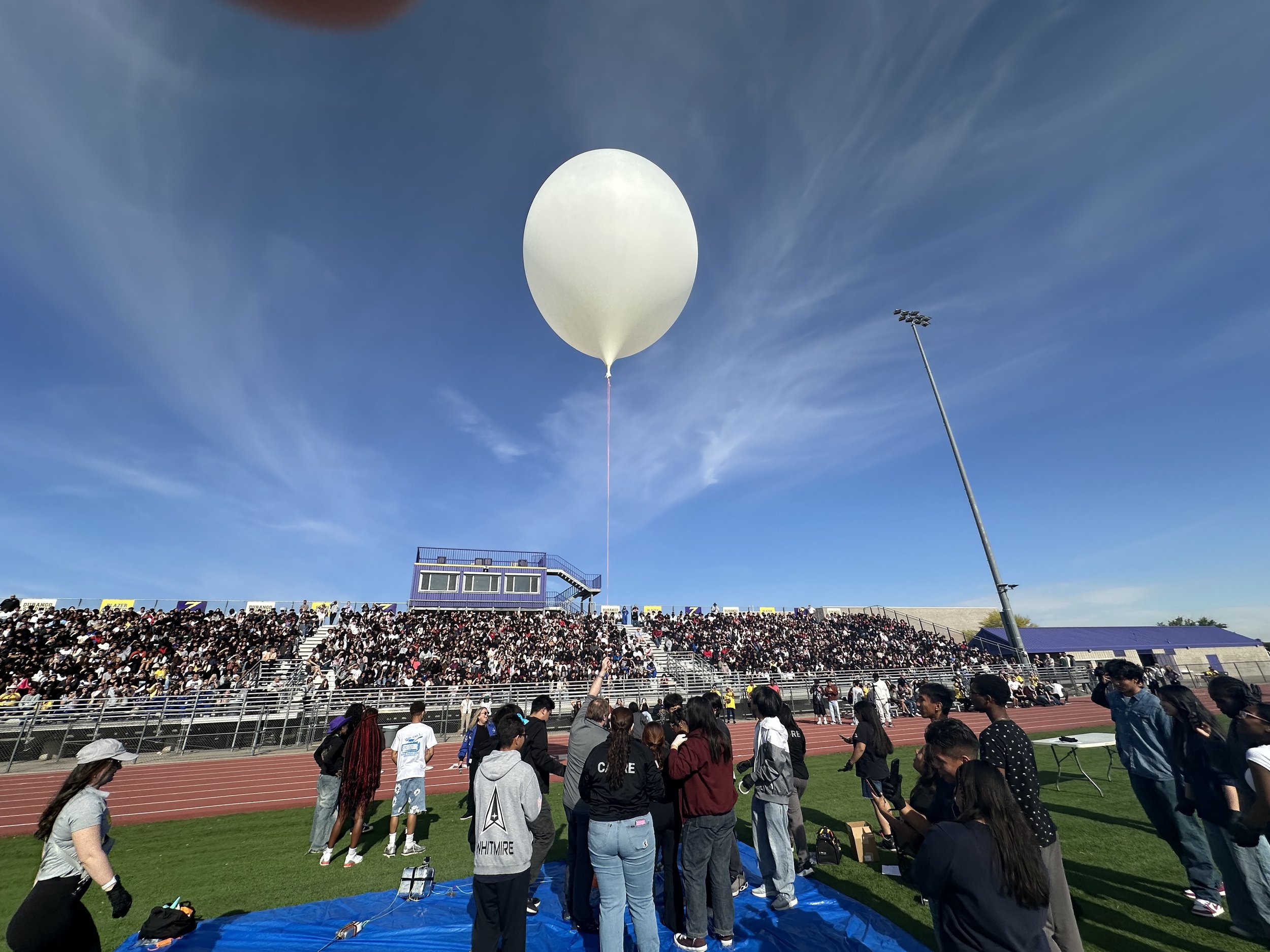
Year 1 of S-Cubed is intended to introduce students to the general science and engineering of a satellite spacecraft while learning the engineering design process and how to work safely in a laboratory. The capstone project includes a simulated space mission with a real high-altitude balloon (HAB) launch to collect data to answer research questions.
Key units and highlights of S-Cubed Year 1 include…
Learn the history of space exploration and CubeSats, featuring the story of Bob Twiggs, founder of Twiggs Space Lab.
Explore and analyze the Code of Ethics for Engineers using a real engineering ethics case studies.
Explore basic electronic physics, robotics, and engineering.
Learn the science and engineering of a satellite spacecraft, including live hardware interfacing and troubleshooting.
Conduct a simulated space mission with real model satellite payloads on a HAB that collect data while reaching the edge of space and safely parachute back down to Earth’s surface.
Teams analyze the simulated space mission data and present their findings to their community from the lens of their learning from Year 1.
Time required: 72 to 180 hours per year
Key skills: Science, engineering, coding, problem-solving, teamwork, communication, collaboration, kinesthetic, laboratory safety
S-Cubed Year 2
LEARN ADVANCED SPACE SYSTEMS, CREATE SPACE DESIGN PROJECT, PREPARE FOR SPACE MISSION
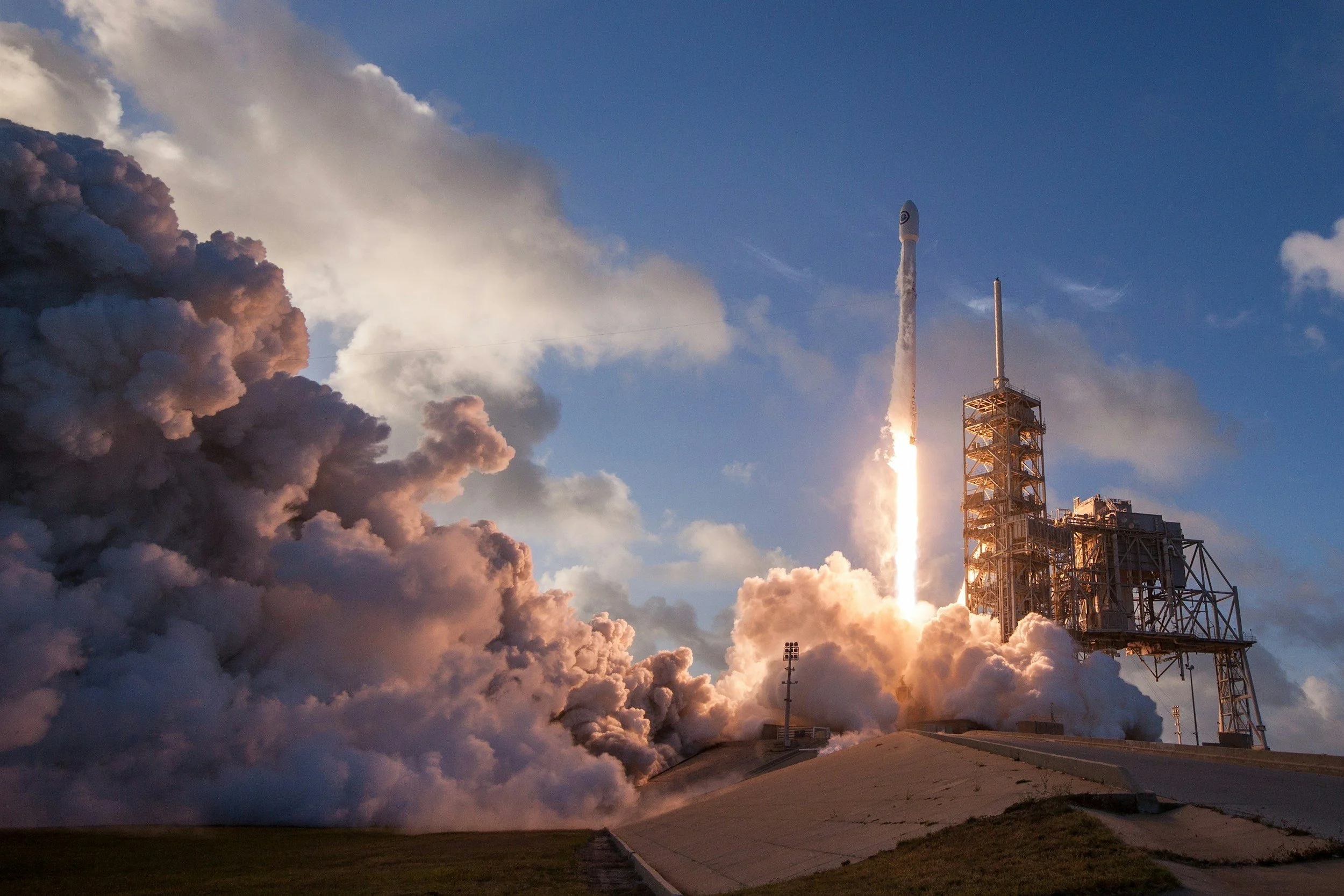
Year 2 of S-Cubed challenges students through advanced science and engineering of a satellite spacecraft. Students practice using the engineering design process with CAD, and learn what it takes to launch a satellite payload to space, all while preparing for a mission to launch a payload to space.
Key units and highlights of S-Cubed Year 2 include…
Practice following the Engineering Design Process to design a product ready for the space environment using CAD.
Learn the advanced science and engineering of a satellite spacecraft, including live hardware interfacing, coding, troubleshooting, and assembly.
Conduct payload assembly and testing in preparation for a competition with other participating school districts.
Teams present their portfolio of learning to their community and other participating school districts.
Opportunities to earn Industry-Based Certifications (IBCs).
Finalize S-Cubed course portfolio and prepare resume to enter the workforce.
Time required: 72 to 180 hours per year
Key Skills: Science, coding, problem-solving, teamwork, debate, engineering design process, CAD, space environment knowledge
Custom program options are available. Please contact us directly with more information about your vision and we are happy to help you.